01 / AN AFTERNOON WORTH KEEPING

The Copper Ear

Nell arrived carrying the sea in a biscuit tin. More precisely, she carried the rain machine for the school play: a wooden drum full of dried peas, turned with a handle. It ought to hiss like weather. Instead it went shhh, clonk, shhh, clonk.

“The shipwreck is at seven,” she said. “At present it sounds as though the ship is hitting a wardrobe.”

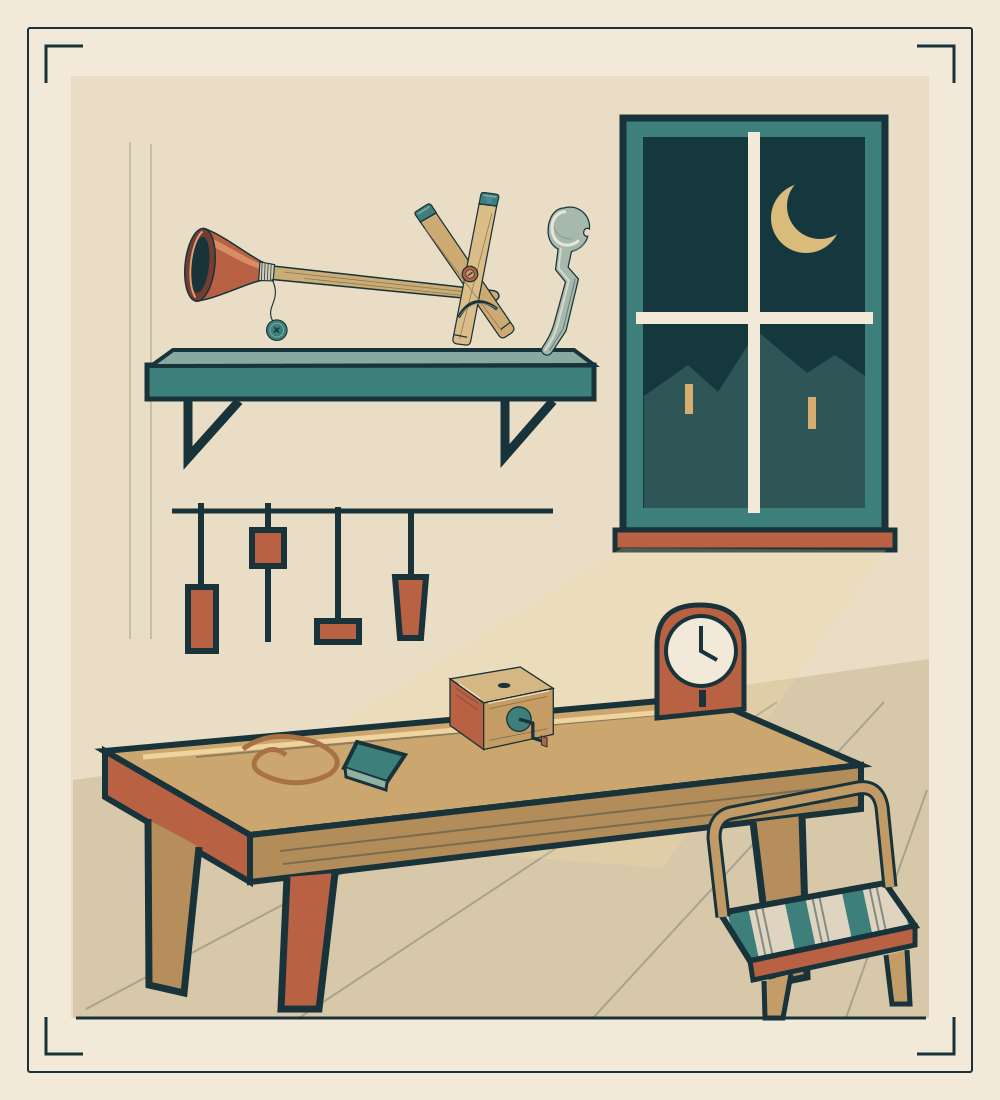
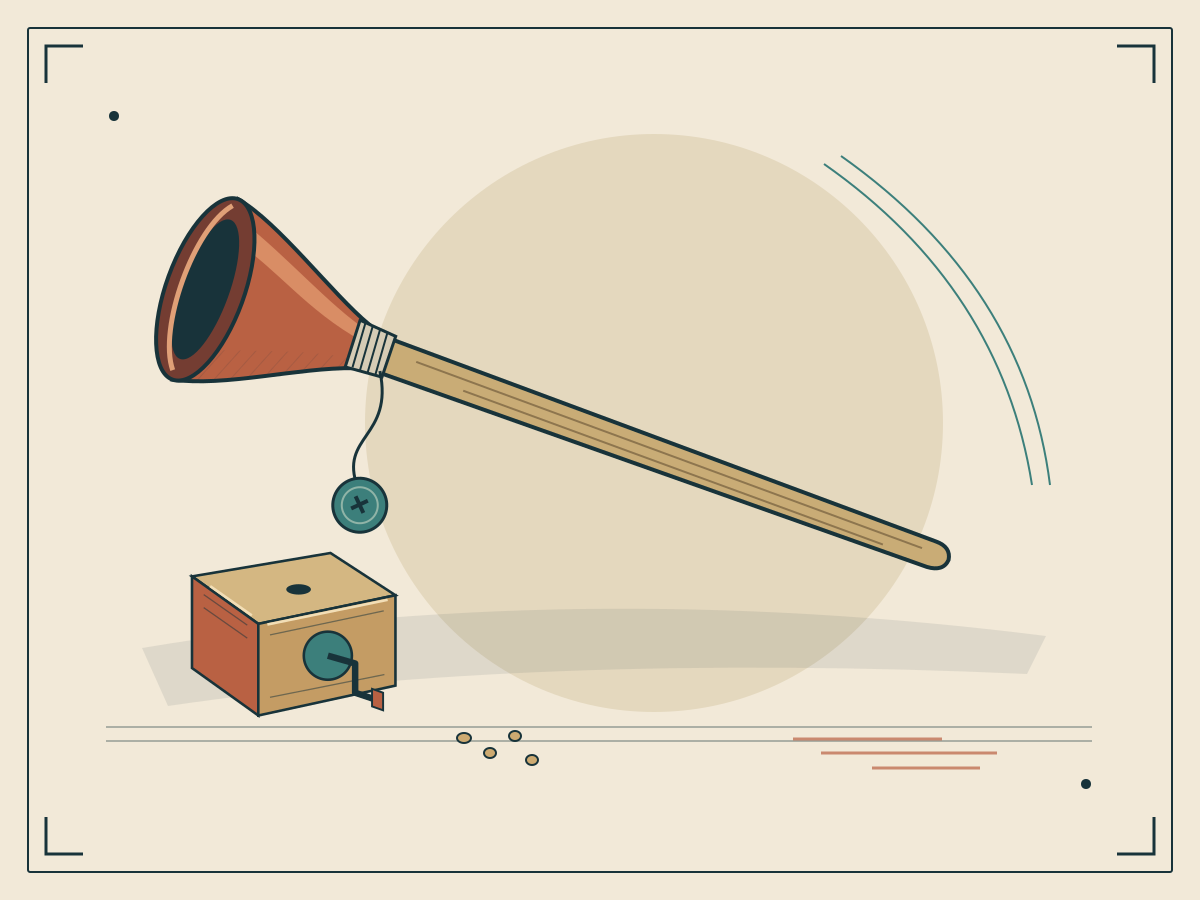
The drum had been glued shut. Mara pressed a screwdriver against its case and listened through the handle, but the bakery mixer started next door. She found an ash dowel, fitted a little copper funnel over one end, and bound the join with cotton cord. The funnel cupped her ear; the dowel touched the turning drum.

There it was: a hard knock near the axle. Through the filling hole she fished out a blue button. Nell inspected her cardigan, discovered the corresponding vacancy, and laughed so abruptly that she spilled the remaining peas.

That evening Mara worked the rain machine behind a painted cliff. Halfway through the shipwreck, real rain began drumming on the school roof. The audience looked up. Nell, playing the captain, took off her hat and held it underneath an entirely imaginary leak.

Afterwards she tied the button to the listening stick. “Payment,” she said. Mara kept both. Sometimes a visitor gives the stick a cautious shake, expecting it to make a noise. The button makes a very small one.
02 / AN AFTERNOON WORTH KEEPING

The Contrary Clamp

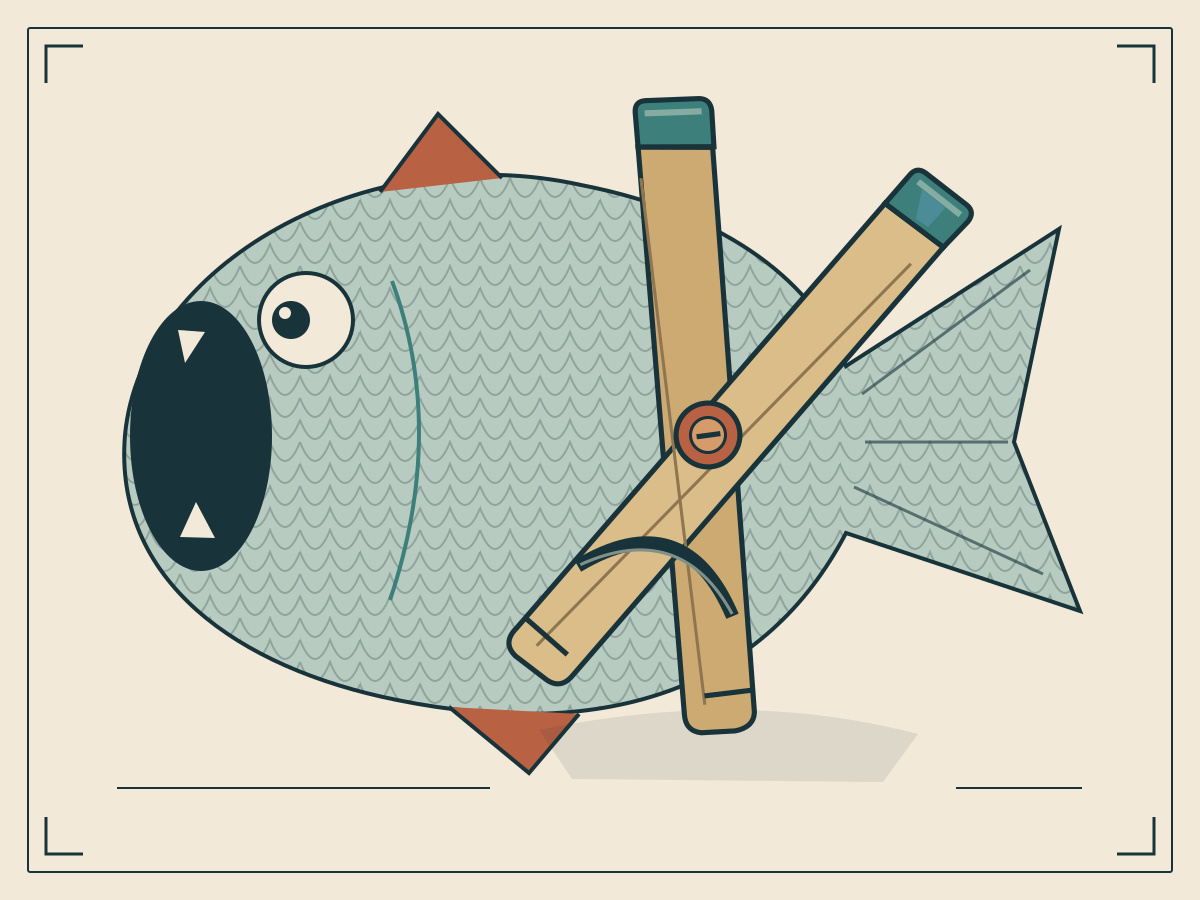
For the midsummer procession, eight-year-old Tess built a fish as long as a wheelbarrow. It had paper scales, a lamp in its belly, and an expression of grave disappointment. Its mouth kept collapsing.

She brought it to Mara on a handcart. Her uncle walked behind, holding the tail clear of puddles. “It is a deep-sea fish,” Tess explained. “They have to look peculiar.”

Mara tried a strip of cane inside the mouth. The upper and lower ribs sprang together whenever she let go. Every clamp she owned would squeeze them tighter, so she made one that pushed: two narrow beech arms, a brass pivot, and a spring fitted the contrary way. She padded the jaws with scraps from an old green apron.

The tool held the ribs apart while the glue dried. Then the procession bell rang. Tess seized the cart. Her uncle seized the tail. The fish departed with Mara’s new clamp still inside its mouth.

It passed the bakery, the bandstand, and the harbour steps wearing a splendid toothy grin. Mara followed with a paper cup of lemonade. At the quay, Tess turned the fish towards the crowd and made it bow.

Next morning the clamp came back with blue paint on one jaw. Tess offered to clean it. Mara said she rather liked the blue. She kept the clamp on the green shelf, where its open arms still look ready to bite a very large sandwich.

03 / AN AFTERNOON WORTH KEEPING

The Moon Spoon

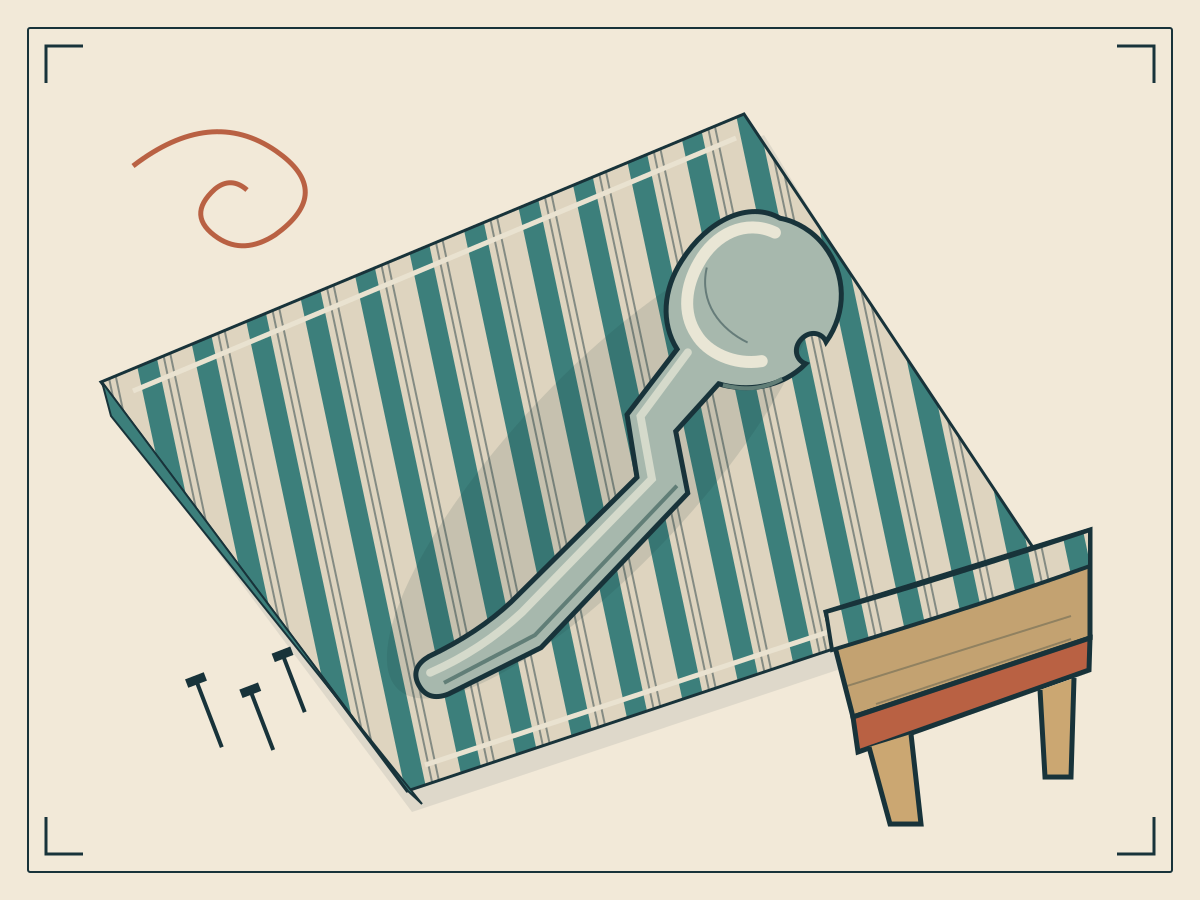
The bakery’s low window stool had a new cover every few years. First there were cherries, then yellow stripes, then an alarming pattern of horses. Its curved back rail made the final fold of cloth almost impossible to tuck.

On a wet Thursday, baker Orla brought it over with a length of striped linen and two hot rolls. She needed the stool by six. Her brother was coming home after eleven years abroad, and he had already asked whether his old window seat was still there.

Mara could reach the awkward fold with a teaspoon, but not without scraping the rail. She heated the handle, gave it two bends, and filed a shallow crescent from the bowl. The notch straddled a stubborn tack. The smooth edge coaxed the linen neatly into the gap.

At five forty, Orla returned. She sat down to try the stool, stood up, and sat again. “It used to creak,” she said. Mara loosened one screw a quarter-turn. There was the familiar complaint.

Across the lane that evening, Orla’s brother settled on the stool with his coat still on. The little creak carried through both open doors. He laughed. Orla pushed a plate towards him.

Mara washed the spoon and nearly put it back beside the kettle. Then she noticed how neatly its bent handle hooked over the shelf edge. There it stayed. On certain evenings, when the bakery doors are open, she can hear that stool from her bench.